

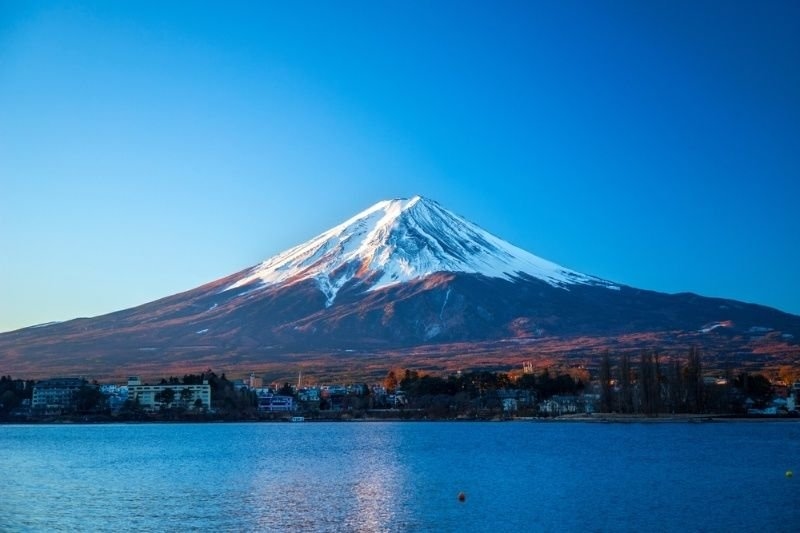
Mount Fuji’s not just Japan’s tallest peak. For a lot of people, making it to the summit turns into a trip you’ll talk about for years. But some travelers brush it off, thinking it’s a simple hike. Truth is, it’s not technical, but it’s not a stroll, either. The weather changes in a heartbeat, altitude is no joke, and trails shift with the season.
A solid plan goes a long way. Good prep keeps things relaxed, keeps you safe, and means you enjoy the climb instead of just getting through it. Here, you’ll get the basics—how to choose a trail, get yourself ready, and make your Fuji adventure one to remember.
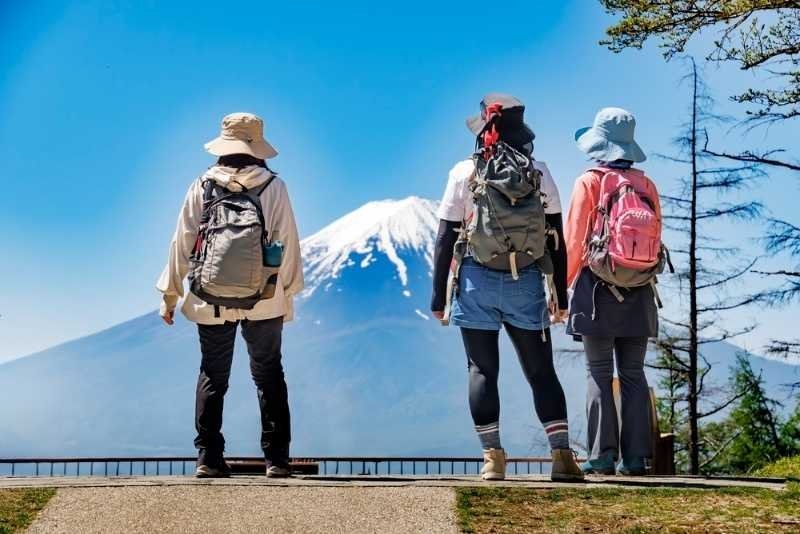
Standing at 3,776 meters, Mount Fuji dominates the landscape of central Japan. Every year, thousands of visitors arrive hoping to reach the summit before sunrise. Some succeed comfortably. Others discover halfway through that preparation matters far more than fitness alone.
A first trip to Mount Fuji should never be treated like a casual day hike. The climb is long, the air gets thinner, temperatures fall sharply after sunset, and besides, crowds can slow progress during peak season.
A Mount Fuji hike is unique because most people begin far above sea level, usually from the Fifth Station. Even then, several hours of climbing remain.
Unlike forested mountains, vegetation slowly disappears. The higher you climb, the landscape becomes darker, rockier, almost lunar. That's part of the appeal. Every section feels different from the last.
People planning a Mount Fuji hike often focus only on reaching the summit. Yet the journey itself deserves attention. Rest breaks, steady pacing, hydration—those small choices usually decide whether the climb stays enjoyable.
There are taller mountains elsewhere. There are harder climbs, too. But Mount Fuji, Japan, carries cultural importance beyond hiking. For centuries, artists, pilgrims, photographers, and travelers have all been drawn to Mount Fuji’s almost perfect cone. There’s something about it that captures people, no matter who you are.
Climbing Mount Fuji isn’t just about reaching the summit. It ties you to Japanese history, tradition, and your own sense of achievement all at once.
Also Read: Top 5 Best Patagonia Hiking Trails: A Comprehensive Guide
Selecting the right route is probably the biggest decision you'll make before climbing Mount Fuji. Not every trail suits every traveler. Some routes are shorter. Others are quieter. A few offer better facilities, while others reward hikers with wider scenery.
Below is a simple comparison.
| Trail | Difficulty | Best For | Facilities | Crowds |
|---|---|---|---|---|
| Yoshida Trail | Moderate | First-time climbers | Excellent | Highest |
| Subashiri Trail | Moderate | Scenic experience | Good | Moderate |
| Gotemba Trail | Difficult | Experienced hikers | Limited | Low |
| Fujinomiya Trail | Moderate to Hard | Fastest ascent | Good | Moderate |
Choosing among the Mount Fuji trails depends less on ambition and more on experience. The Yoshida Trail remains the most popular because mountain huts, medical stations, plus transportation are easier to access.
If this is your first visit, avoid choosing the hardest route simply because it looks adventurous. Most first-time climbers feel more comfortable on established Mount Fuji trails with clear signs, regular rest stops, plus nearby staff. These features become valuable if the weather changes unexpectedly.
Don't Miss: The 8 Awesome Facts About The Appalachian Mountains
Every good Mount Fuji climbing guide begins with timing. The official climbing season usually runs from early July through early September. Outside these months, snow, ice, closed huts, plus unpredictable weather make the climb much more dangerous. That simple rule solves many problems.
A reliable Mount Fuji climbing guide also recommends arriving one day before your climb. Spend time near the Fifth Station, explore the area, and allow your body to adjust slightly before gaining more elevation.
Many beginners carry too much. Heavy bags quickly become exhausting after several hours uphill. Pack only what you genuinely need.
Essential items include:
Every seasoned Mount Fuji guide swears by layering your clothes instead of just tossing on one big jacket. It keeps you flexible and warmer as you head up. Conditions near the base may feel warm, yet temperatures close to the summit can become surprisingly cold.
Trying to reach the summit quickly usually backfires. A better way to hike Mount Fuji is to maintain a steady rhythm from the beginning. Walk slower than feels necessary. Short breaks work better than long rests because muscles cool down quickly.
Suggested Reading: Top 16 Best Hiking Places In Olympic National Park
Climbing Mount Fuji is challenging enough to feel rewarding, yet achievable for most reasonably prepared travelers. The key is not speed or strength. Honestly, planning makes all the difference. Figure out which trail works for you, look up a reliable climbing guide, and get ready well in advance. Know how to hike Fuji safely, and your trip gets a lot easier.
People come for sunrise, the views, or just to see if they can make it. But there’s a feeling up there that’s hard to put into words. You won’t get it until you’re actually standing on the mountain. Respect it, get yourself prepared, and be ready to change your plans if the weather turns. Those simple habits often turn a demanding climb into one of the most memorable travel experiences you'll ever have.
Rules aren’t the same all year, and different trails have their own requirements. Some routes need you to book ahead or pay a climbing fee during the official season. Always check for the latest updates before you go. Conditions can change in a flash.
Absolutely. Every year, plenty of beginners reach the top. If you prepare well, pace yourself, dress right, and stick to beginner-friendly trails, you’ll give yourself the best shot.
Travel insurance is definitely worth it—especially the kind that covers hiking, medical emergencies, and unexpected changes. Weather can throw off even the best plans around Mount Fuji.
The weather on Mount Fuji flips fast. If things get rough, listen to the staff's advice, head to a mountain hut if you need to, or turn back and try again. The mountain isn’t going anywhere; your safety matters more than reaching the top.
This content was created by AI